Gesture Management by no means arrived quietly. BMW introduced it in 2015 on the then-new G11 7 Series, framing it as the subsequent step in holding a driver’s eyes on the street and palms free of additional motions. On paper, that logic made sense: as an alternative of reaching for a button or looking for a dial, you’d make a easy hand motion in mid-air and the automotive would reply. It sounded neat. It even felt futuristic the primary few instances you tried it. And youngsters beloved it.
However as soon as the novelty light, one thing else turned apparent: most drivers stopped utilizing it. And after almost ten years, BMW’s inner research ended up confirming the identical factor, which is why Gesture Control quietly disappears with the arrival of iDrive X.
The concept didn’t fail as a result of drivers don’t like expertise. BMW house owners welcome tech — typically extra eagerly than patrons of some other premium model. Gesture Management failed as a result of the system by no means turned simpler, quicker, or extra pure than the controls already in place. And in a transferring automotive, “pure” wins each time.
Step 1: Perceive what Gesture Management truly allow you to do
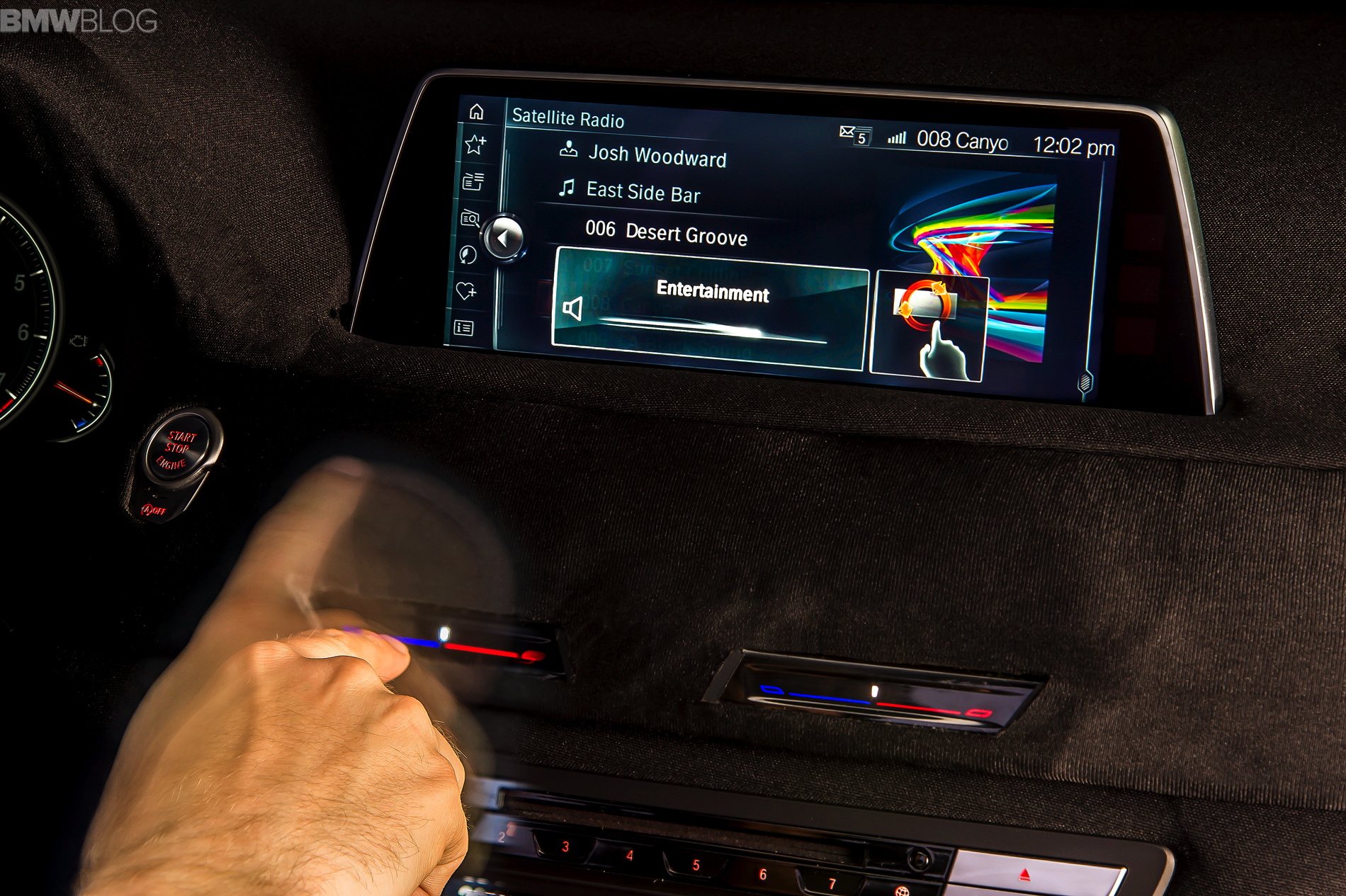
The system launched with a small set of particular motions, and though BMW expanded them barely through the years, the vocabulary by no means grew past a slender set of duties.
There was the acquainted round quantity gesture: finger prolonged, drawing a sluggish loop within the air till the system picked it up. Clockwise raised quantity; counterclockwise lowered it. One full rotation was often required, and the system labored greatest whenever you used your complete hand, not only a floating fingertip.

You can settle for a name by pointing on the display screen, then retracting your hand. You can reject a name — or dismiss pop-ups — with a sideways swipe. These identical motions might additionally cancel voice instructions.
There have been two skip gestures — thumb outstretched to the left or proper to skip tracks or cycle stations. Helpful on paper, however simple to set off by accident if you happen to speak along with your palms.

The pinch-and-drag movement, executed along with your thumb and index finger, allow you to rotate the Encompass View digicam back and forth. It regarded nice in a demo however solely labored when parked, which made it really feel like extra of a showroom trick than a core device.
After which got here the configurable gestures.

This was the one a part of the function that hinted at its promise. You can use a fast “open-closed-open” hand movement or a two-finger level to set off one thing you programmed — muting the audio, toggling the show, and even beginning navigation to your private home deal with. These customized gestures had actual potential, and for the tiny share of people that took time to set them up, they had been genuinely helpful.
However the system all the time demanded a little bit of choreography and a little bit of endurance. And that’s the place the friction started.
Step 2: Have a look at the interplay itself — it wasn’t easy
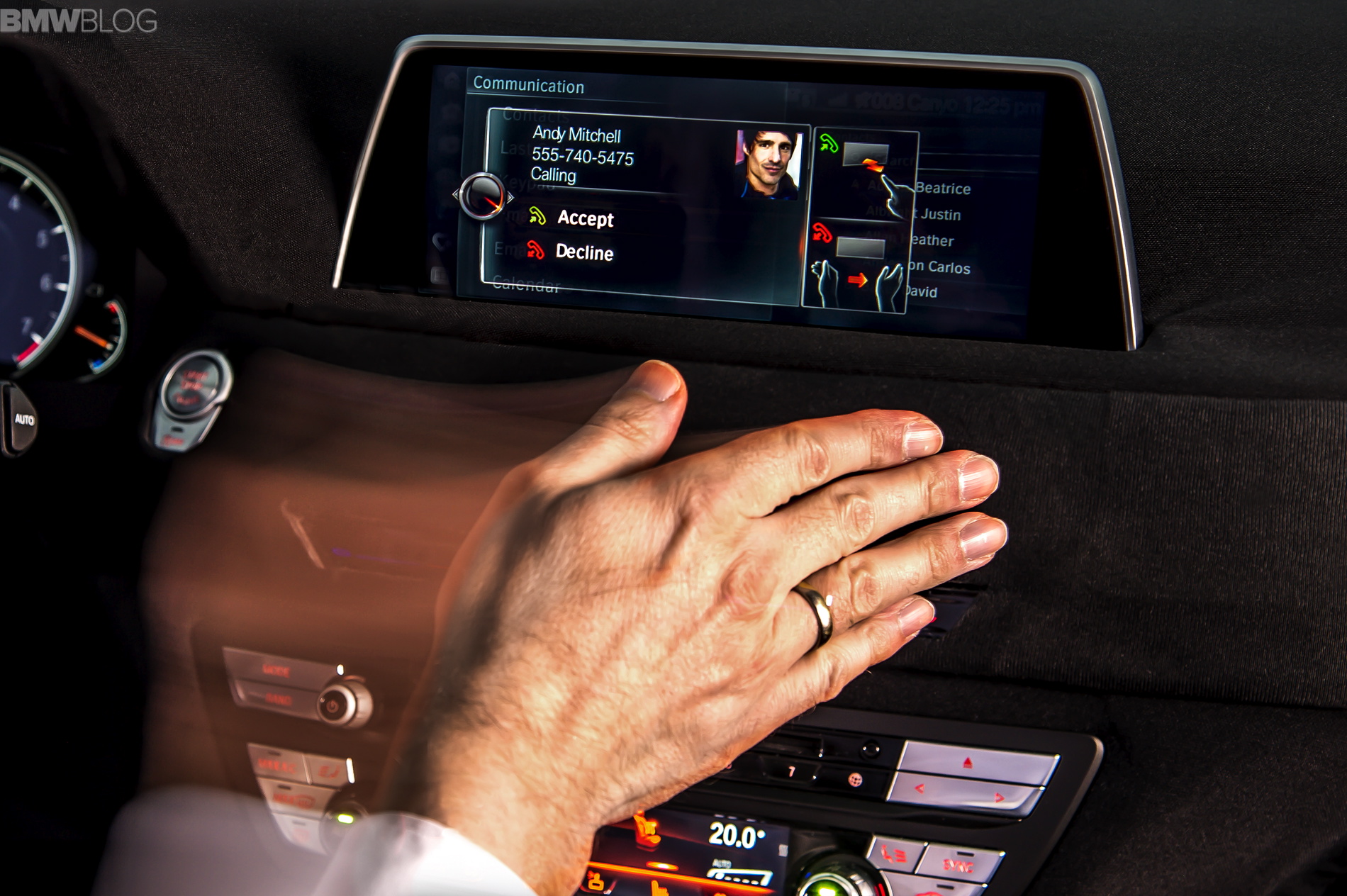
Gesture Management needed your hand inside a selected invisible field in mid-air. BMW themselves defined it effectively years in the past: think about two perpendicular traces, one rising from the shifter (or decrease sprint in vehicles with no standard shifter) and one other from the highest of the air vents. That intersection — the house between these traces — was your “gesture zone.” Too excessive or too low and nothing occurred. Too fast and nothing occurred. Too refined and nothing occurred.
Even whenever you nailed the position, the sensor wanted a transparent studying of your complete hand. Gloves, jewellery, vaping, a allure hanging from the mirror — none of those performed properly with the overhead digicam. Typically the system felt assured. Typically it felt prefer it didn’t see you in any respect.
When a person interface introduces query marks the place a knob or button by no means does, folks begin abandoning it.
Step 3: Evaluate it to the controls it was supposed to interchange
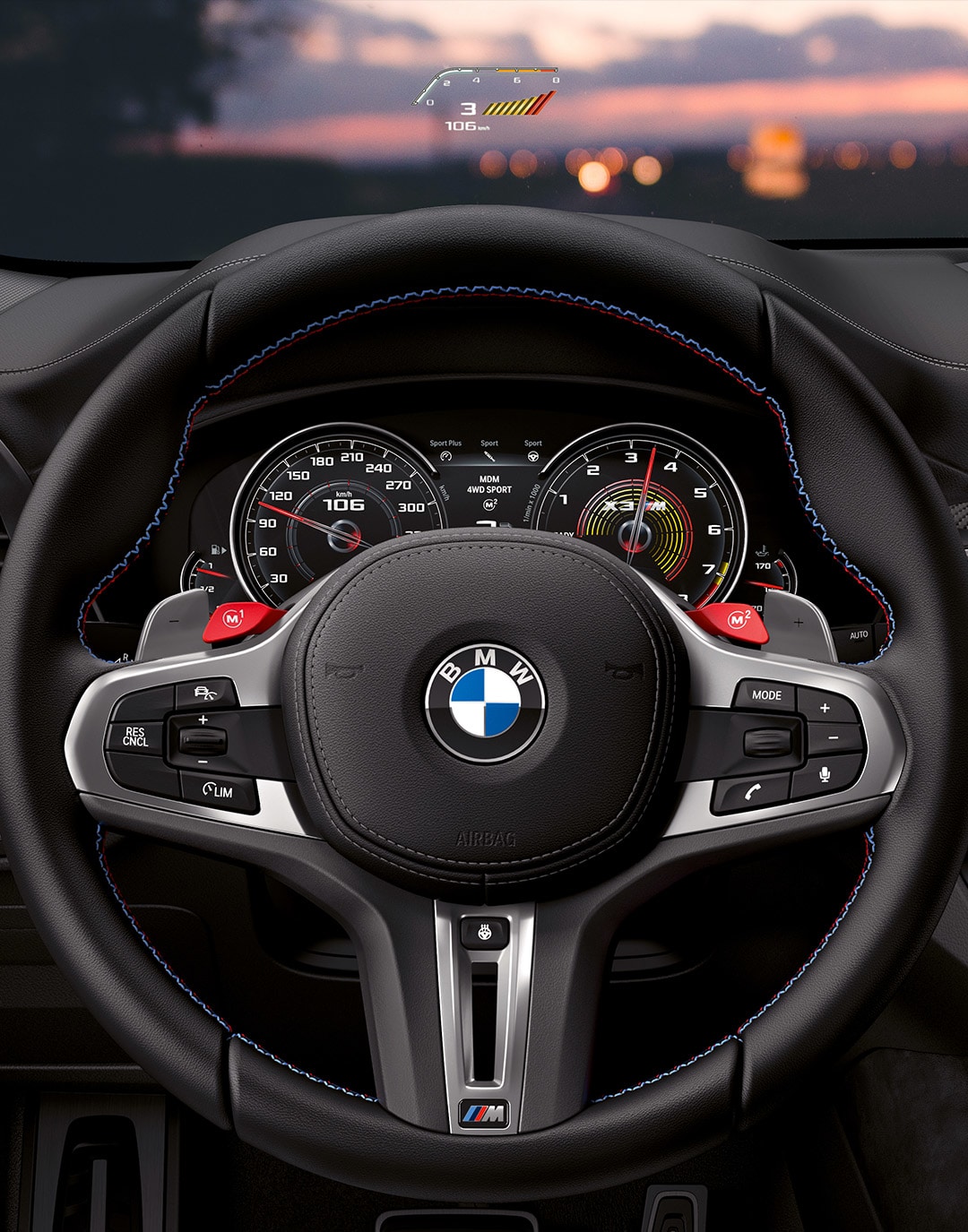
That is the place Gesture Management struggled essentially the most. Rotating your finger in a circle to vary the amount would possibly sound slick and funky, however in movement, it’s slower and extra awkward than brushing your thumb over the steering wheel curler. That curler is small, tactile, and immediately dependable. It provides suggestions. It by no means guesses.
Pointing on the display screen to reply a name additionally misplaced the struggle. The steering wheel button sits proper underneath your thumb. You don’t want to seek out something; your thumb has been urgent that very same button for years.
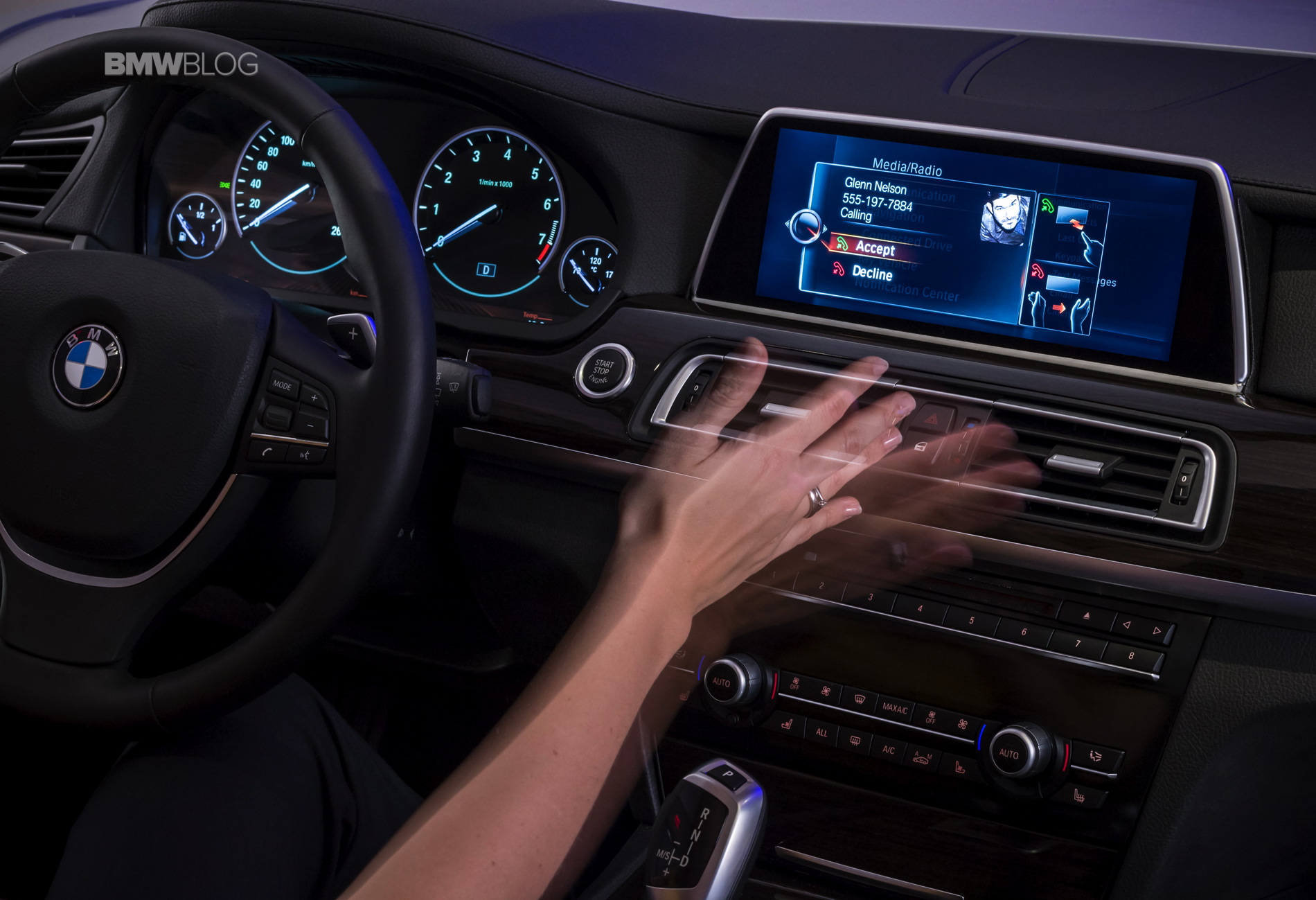
Even the extra “enjoyable” gestures — the skip motions, the customized hand-open-hand-close sequences — had been up towards easy faucets and swipes that folks already understood.
Gesture Management all the time needed to show it was higher than what got here earlier than it, and it by no means managed to do this.
Step 4: Folks felt awkward utilizing it
That is the half that doesn’t present up in technical evaluations however mattered essentially the most. Waving your hand within the air in a selected, virtually theatrical approach — particularly when another person is within the automotive — can really feel faintly ridiculous.
Loads of drivers are expressive with their palms when speaking, however these motions are instinctive. Gesture Management wasn’t. You needed to carry out for the digicam. And when one thing asks you to carry out, you change into self-conscious.
That alone saved lots of people from revisiting the function after the preliminary novelty wore off.
Step 5: The system by no means grew past its debut
Over time, BMW refined the {hardware} and software program, sharpened the digicam logic, and expanded iDrive in each path. However Gesture Management virtually froze in place. It by no means stretched into local weather changes. It by no means dealt with navigation enter. It by no means moved into deeper infotainment controls. It all the time remained a small pierce of the general interface.
In the meantime, BMW’s voice assistant grew into one thing way more succesful. Steering wheel controls stayed constant, not less than most of it. Touchscreen utilization has elevated as effectively. And iDrive X, arriving with the next iX3, pushes even tougher towards a voice-first, screen-centric cabin with a number of shows and interactions within the automotive. That design path leaves much less room — and fewer want — for hand gestures floating in mid-air.
No shock, then, that Gesture Management is gone in iDrive X. Even BMW admitted house owners weren’t utilizing it.
Trending Merchandise

Hiseanllo Car Seat Gap Filler 2 Pack, Univers...
Mandark 4PCS Car Cup Holder Coasters, 2.75 In...