Why EREVs are having a second
For the higher a part of the previous decade, the way forward for the American automotive market felt preordained. Federal tax credit and state-level incentives pushed patrons towards absolutely electrical autos, automakers poured billions into batteries and charging networks, and something with a tailpipe began to appear like a useless finish. Now, that script is being rewritten.
As EV incentives fade and shopper enthusiasm cools—particularly for large, costly autos like pickup trucks—a once-forgotten thought is quietly transferring to heart stage: the range-extended electrical car, or EREV. It’s not fairly an EV, not fairly a hybrid, and all of the sudden it appears like precisely what loads of patrons have been ready for.
The EV truck actuality verify
No car higher illustrates the second than the Ford F-150 Lightning. When it debuted in 2021, the Lightning was presupposed to show that electrical vehicles might go mainstream. Ford performed it secure on styling, saved the acquainted F-150 form, and promised torque, tech, and decrease operating prices. For some time, it labored. The Lightning grew to become the best-selling electrical pickup in America, briefly shedding that crown solely when Tesla’s Cybertruck hype peaked.
Getty Photos
However gross sales by no means got here near matching gas-powered F-150s, and cracks started to indicate. Electrical vehicles turned out to be a troublesome promote for causes that incentives alone couldn’t clear up. Charging infrastructure stays skinny in rural states the place vehicles dominate. Costs are excessive in a phase that’s already straining patrons’ budgets. And towing—one of many core causes individuals purchase vehicles—creates a uniquely painful drawback for EVs.
Each truck loses vary when it tows. In a fuel or diesel mannequin, which means extra frequent five-minute gasoline stops. In an EV, it means longer, extra frequent charging periods, usually whereas hitched to a trailer that doesn’t match neatly at a charger. For a lot of truck patrons, that tradeoff merely wasn’t price it.
Ford’s Lightning additionally bumped into unhealthy luck. A hearth at a serious aluminum provider final fall compelled Ford to ration supplies between its fuel and electrical vehicles. With demand nonetheless strongest for internal-combustion fashions, the Lightning misplaced out. Manufacturing has now ended, and what replaces it’s telling.
Enter the EREV
Ford says the Lightning identify will return, however not as a pure EV. As an alternative, the next-generation Lightning can be an extended-range electrical car. It’s going to drive completely on electrical motors, identical to an EV, however it should carry a gasoline engine that by no means powers the wheels. Its solely job is to behave as a generator, producing electrical energy when the battery runs low. Ford claims a mixed vary of greater than 700 miles.
That quantity alone explains why EREVs are all of the sudden having a second. They promise a lot of the advantages of EVs—quiet driving, immediate torque, residence charging for day by day use—with out asking patrons to totally decide to the charging community for lengthy journeys or heavy work. This isn’t simply Ford hedging its bets. Ram has already gone additional.
Ram goes all-in
After years of delays, Ram quietly killed its deliberate all-electric pickup and doubled down on its range-extended different. Confusingly, the truck as soon as often called the Ramcharger will now put on the 1500 REV badge. Regardless of the identify, the technique is obvious: the all-electric Ram is useless. The EREV lives on.
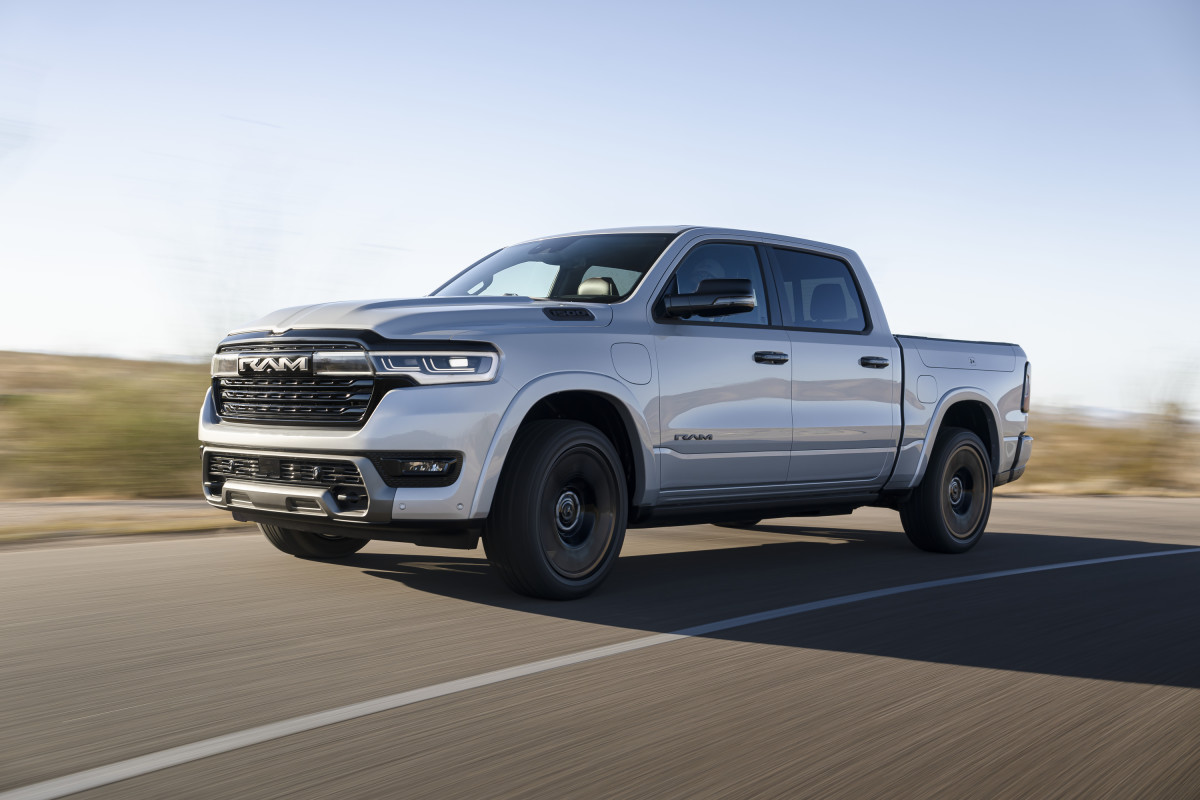
Stellantis
The Ram 1500 REV pairs a big 92-kWh battery with a 3.6-liter Pentastar V6 that spins a generator. The engine by no means connects to the wheels. Two electrical motors do all of the driving, delivering 647 horsepower and a 0–60 mph time of 4.5 seconds.
On electrical energy alone, Ram estimates about 145 miles of vary—sufficient for many day by day driving. With a full fuel tank and battery, whole vary jumps to roughly 690 miles. That’s greater than double what the longest-range F-150 Lightning might handle and nonetheless nicely past even the Silverado EV’s headline numbers.
For truck patrons who tow lengthy distances, the enchantment is clear. Vary nonetheless drops when hauling a trailer, however as a substitute of trying to find quick chargers, drivers can pull into any fuel station and be again on the highway in minutes.
Ram isn’t pretending that is probably the most environment friendly car in each situation. With a depleted battery, gasoline financial system appears just like a fuel truck. However that honesty may very well assist. The pitch isn’t perfection—it’s flexibility.
Not only a truck factor
EREVs aren’t restricted to pickups. Jeep has confirmed a range-extended model of the Grand Wagoneer, Hyundai is reportedly engaged on one for the Santa Fe, and Scout Motors says greater than 80% of reservations for its upcoming Terra pickup and Traveler SUV are for the EREV variations.
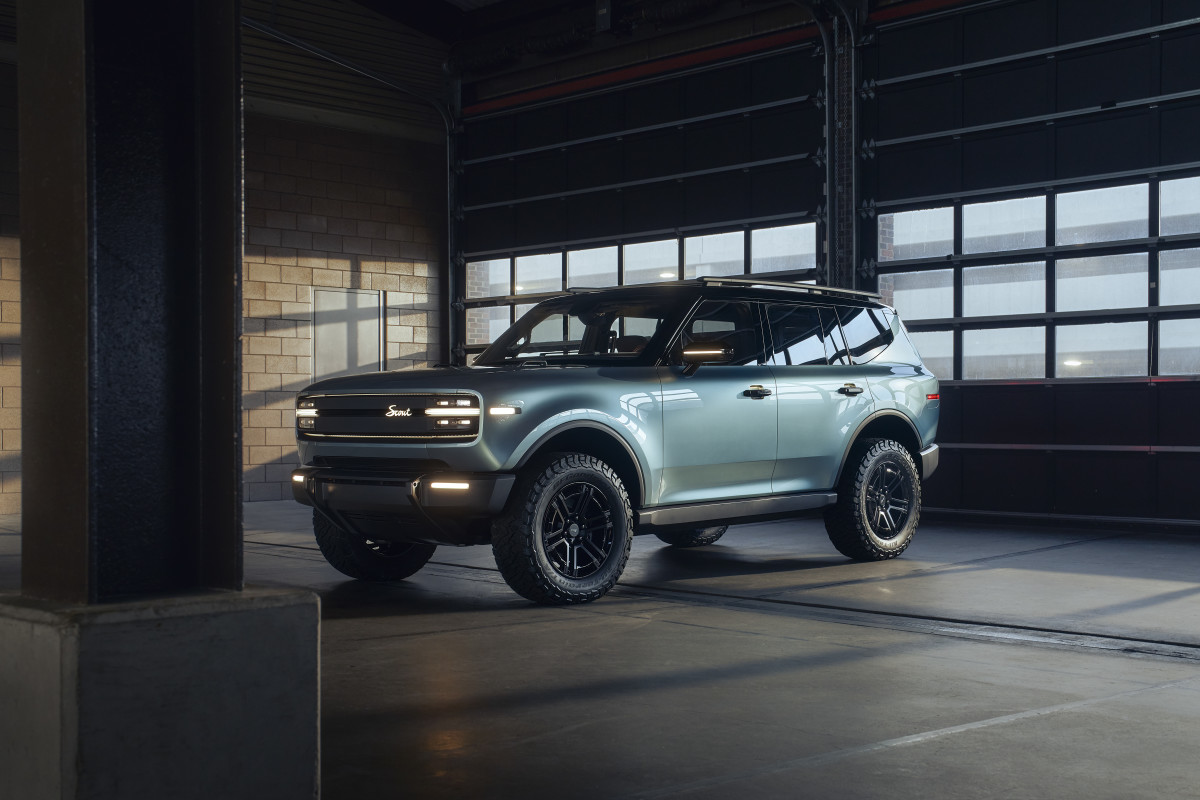
Scout Motors
Even BMW could also be circling again to the concept it as soon as helped popularize with the i3. Stories counsel the corporate is exploring range-extended variations of the X5 and 7-Sequence, significantly for the U.S. and China. These long-wheelbase autos have the area to bundle a small generator with out sacrificing consolation, and BMW already builds a lot of the needed elements in-house.
The timing issues. In China, demand for range-extender EVs is rising quickly as patrons search for electrical driving with out full dependence on charging infrastructure. Within the U.S., the enchantment is totally different however simply as actual: fuel is reasonable, distances are lengthy, and incentives that when nudged patrons towards EVs are disappearing.
A “new” hybrid for a brand new second
Vary-extended EVs aren’t really new. The Chevrolet Volt and BMW i3 each used comparable concepts greater than a decade in the past. On the time, they felt like transitional applied sciences—bridges to a totally electrical future that everybody assumed was simply across the nook. What’s modified is the market’s endurance.
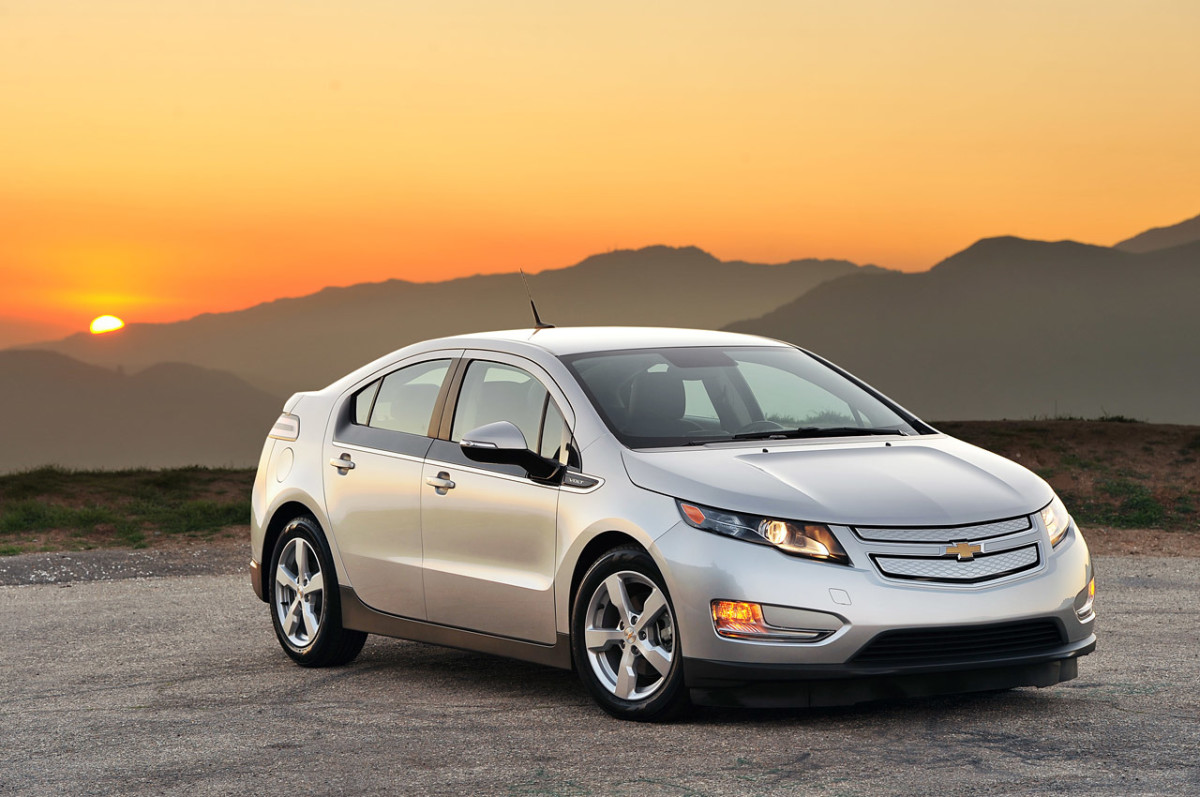
Drew Phillips
With EV incentives fading and actuality setting in round charging, value, and use circumstances, automakers are not pretending that one answer matches everybody. The EREV is a compromise, but it surely’s a realistic one. It asks much less of patrons whereas nonetheless transferring the trade away from conventional drivetrains.
Ford remains to be planning a smaller, lower-cost electrical pickup later this decade. GM remains to be promoting electrical vehicles. Absolutely electrical autos aren’t going away, however the highlight has shifted.
Remaining ideas
For now, probably the most attention-grabbing electrified autos aren’t those that abandon gasoline fully. They’re those that deal with it as a backup plan—and in at the moment’s market, that could be precisely what wins patrons over.
Trending Merchandise

Hiseanllo Car Seat Gap Filler 2 Pack, Univers...

Mandark 4PCS Car Cup Holder Coasters, 2.75 In...