Article Abstract
- BMW solely constructed round 450 M1 street automobiles, however the engine inside them ended up in 4 completely different manufacturing fashions
- The E28 M5 used the identical M88/3 because the M635CSi — hand-assembled in Garching, and broadly thought of the quickest manufacturing sedan on the earth at launch
- Probably the most obscure M88 utility wasn’t an M automotive in any respect: a South African 7 Collection that a lot of the world by no means knew existed
BMW constructed the M1 for one cause: to go racing. The laws required a road-going model, so BMW constructed one — a mid-engine supercar developed with Lamborghini, clothed in a physique by Giugiaro, and powered by a twin-cam inline-six that had no enterprise being in something apart from a race automotive. Round 450 street automobiles have been made between 1978 and 1981. Then manufacturing stopped, and that was that.
Besides the engine didn’t disappear with it.
Meet The Coronary heart of A Supercar
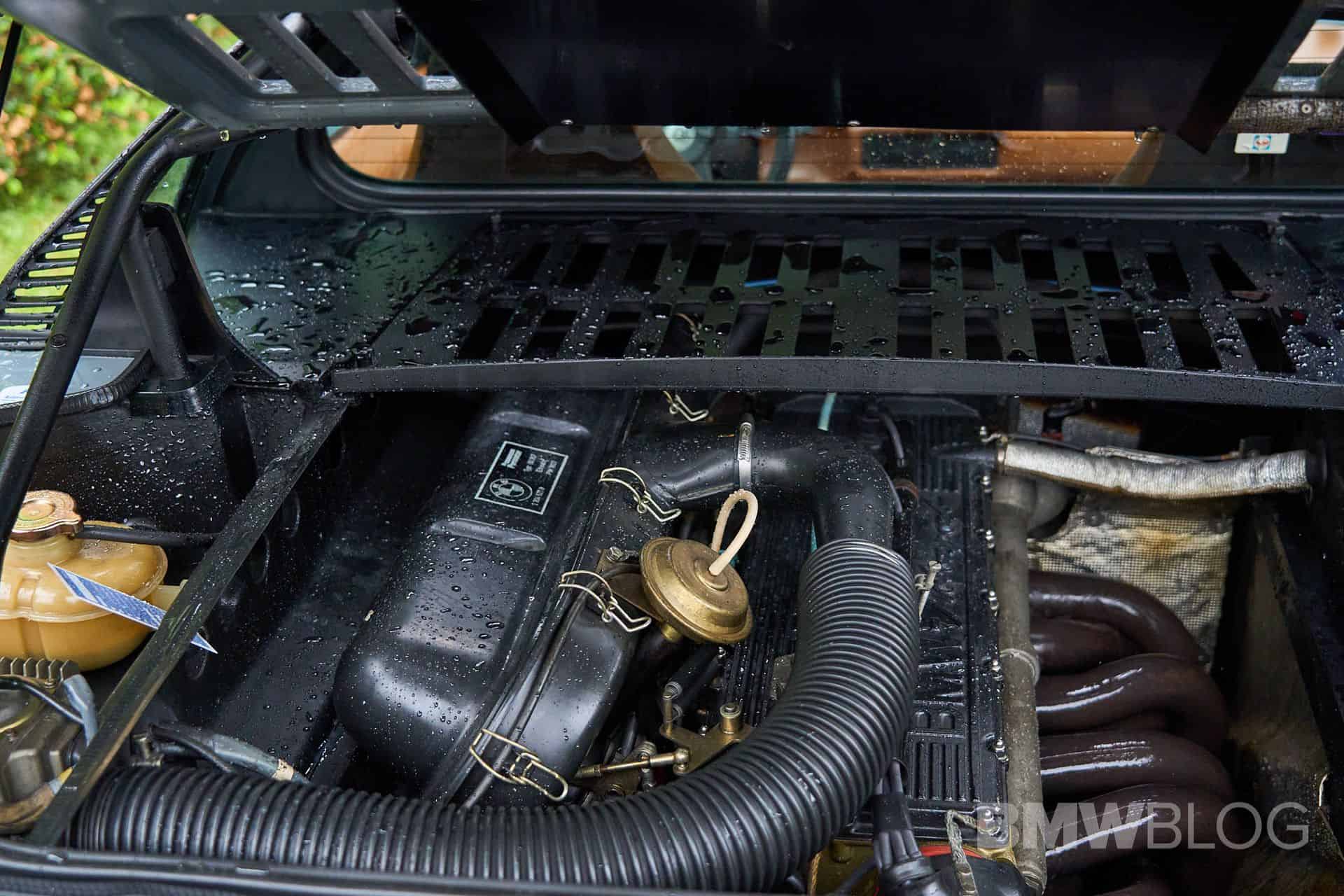
That engine — the M88 — was a 3,453cc straight-six with particular person throttle our bodies, a 9.0:1 compression ratio, and a personality that rewarded anybody keen to push it previous 5,000 rpm. In street trim it made 277 horsepower. In full race spec, it made significantly extra — the turbocharged Group 5 model was stated to supply north of 800 hp. BMW’s M division knew they’d one thing particular on their fingers, and so they weren’t about to let it collect mud on a shelf.
Over the next decade, the M88 and its intently associated successor variant, the M88/3, discovered their means into 4 very completely different manufacturing BMWs. Three of them are well-known. One most individuals have by no means heard of.
BMW M1 (E26, 1978–1981)
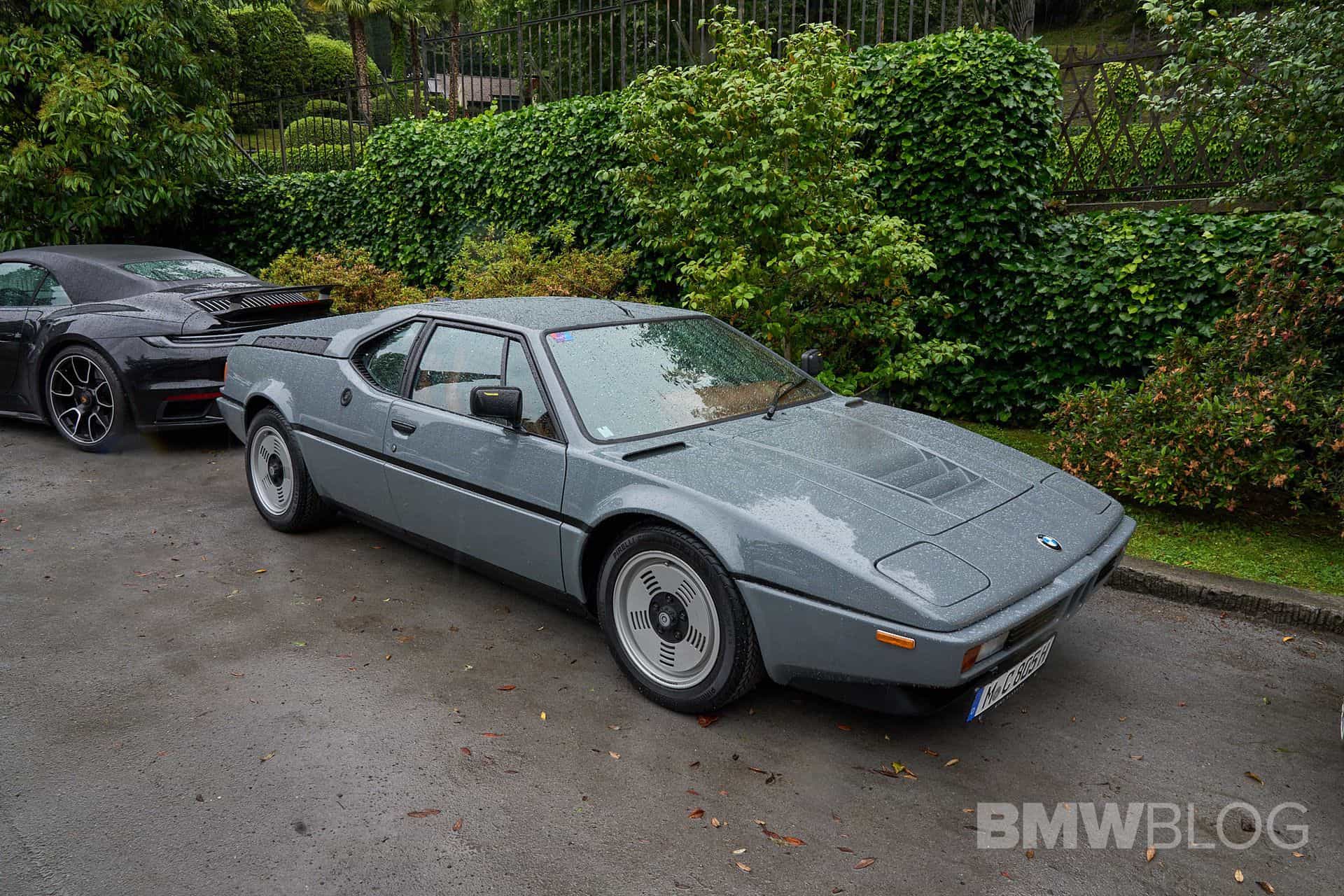
The M1 is the place the M88 story begins. BMW had designed it as a Group 4 and Group 5 homologation automotive — to race it, they needed to promote it — and the M88/1 was constructed to be a road-legal model of a contest engine. It revved to six,500 rpm, used a Kugelfischer mechanical gas injection system, and made the form of energy in 1978 that almost all sports activities automobiles couldn’t contact. The M1 would run to 100 km/h in round 5.5 seconds and on to a prime pace of 260 km/h.
Manufacturing was troubled — Lamborghini was supposed to assemble the bodies however bumped into monetary difficulties, and the entire program was delayed — however the completed automotive was definitely worth the wait. Immediately, M1s often command nicely over $200,000 at public sale, and the engine that powered them is a big a part of why.
BMW M635CSi (E24, 1983–1989)
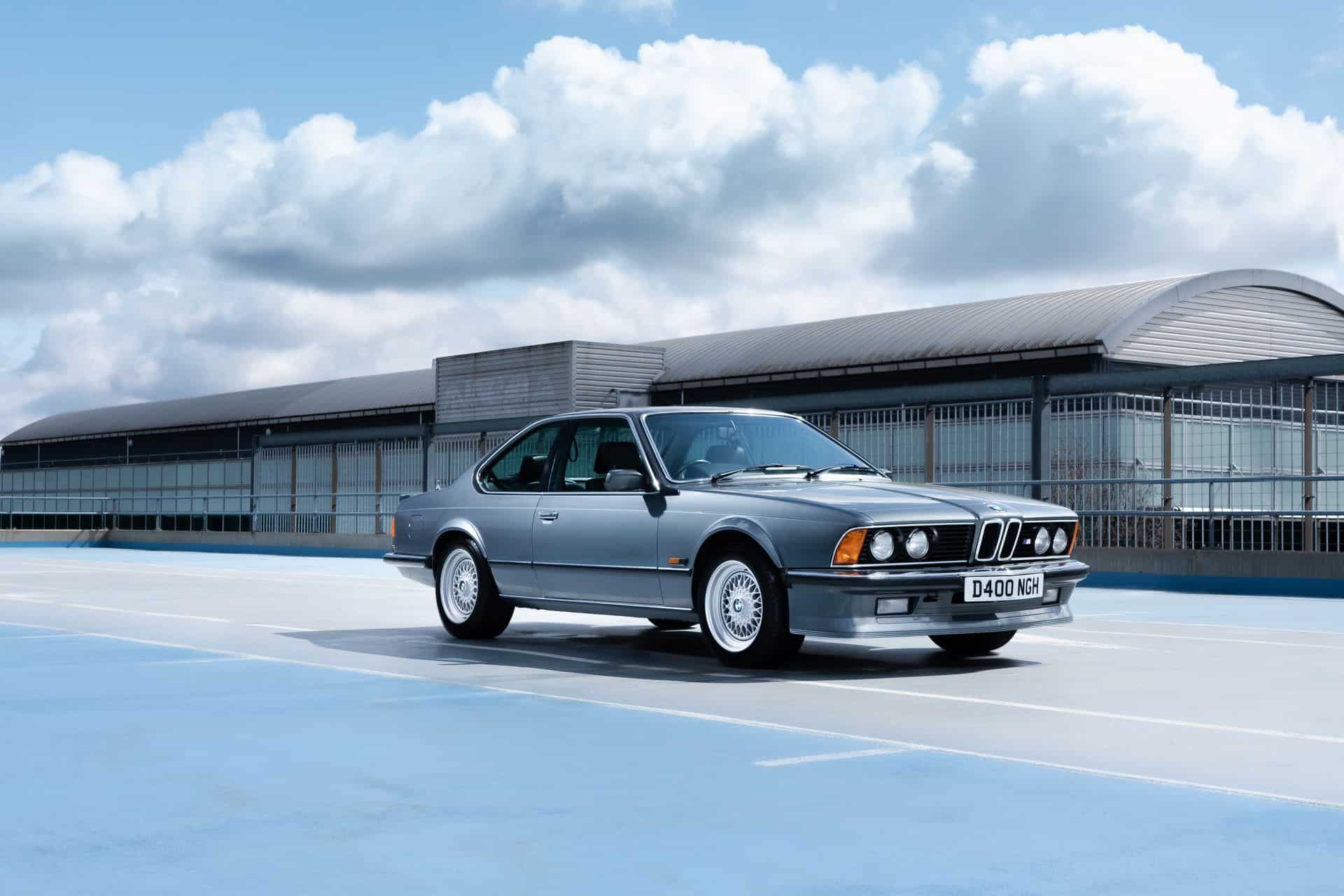
After the M1, the up to date M88/3 — now producing 286 hp — went into the 6 Collection coupe. On paper, the M635CSi didn’t look dramatically completely different from a regular 635CSi. In observe, it was a unique machine: wider tracks, stiffer suspension, and that straight-six pulling arduous all the way in which to the redline. BMW described it as a grand tourer, which was correct, however undersold how entertaining it was to drive shortly.
It was additionally the automotive that introduced the M88 to North America, although not in its authentic type. US-market automobiles wore the M6 badge and used the S38 — a intently associated engine that met American emissions laws. The M635CSi with the right M88/3 remained a European affair, and it’s the higher automotive for it.
BMW M5 (E28, 1984–1988)

That is the one which made the M88 well-known. BMW took the 286 hp M88/3, bolted it right into a standard-looking 5 Collection sedan, handed it to a small staff in Garching to assemble by hand, and produced what was, at its 1985 launch, broadly thought to be the quickest manufacturing sedan on the planet.
The E28 M5 is a automotive that rewards a re-examination. From the surface, it’s virtually indistinguishable from an everyday 528i — barely wider, delicate badges, that’s about it. Then you definately drive it. The M88/3 pulls cleanly from low revs and turns into one thing else totally when you’re previous 4,000 rpm, with a soundtrack that no trendy M automotive has fairly managed to copy.
Solely round 2,200 have been inbuilt complete, break up between European and North American specs (the latter utilizing the S38). Values have climbed sharply in recent times, and so they present no signal of coming again down.
BMW 745i SA (E23, South Africa Solely, mid-Nineteen Eighties)

Most BMW lovers know the primary three. This one catches folks off guard.
The E23 7 Collection 745i was offered globally as a turbocharged automotive — a 3.2-liter M102 engine with compelled induction, producing round 252 hp. It was the range-topping 7 Collection, BMW’s reply to the Mercedes 450SEL 6.9, and the turbo setup gave it the efficiency anticipated of a flagship. In most international locations, that’s the one 745i that existed.
In South Africa, BMW went a unique route. Fairly than certify and assist the turbocharged M102 for the native market, they fitted the naturally aspirated M88/3 as an alternative. South African buyers got a 745i SA with the identical engine because the M635CSi — a official M-spec straight-six in a full-size luxurious sedan. It was by no means marketed as an M automotive, by no means badged as something particular, and right now it’s one of the crucial obscure M88 purposes in existence. Discovering a clear one is sort of not possible.
What the M88 Left Behind

The M88 household was retired because the S38 took over — an evolution of the identical structure that went on to energy the E34 M5 and later variants of the E28. However the M88 itself spans a exceptional vary: a purpose-built supercar, a long-distance grand tourer, a factory-sleeper sedan, and a South African flagship that a lot of the world by no means knew about.
BMW M has made quicker engines since. It has not made many who felt fairly so intentionally constructed.
Trending Merchandise

Hiseanllo Car Seat Gap Filler 2 Pack, Univers...
Mandark 4PCS Car Cup Holder Coasters, 2.75 In...