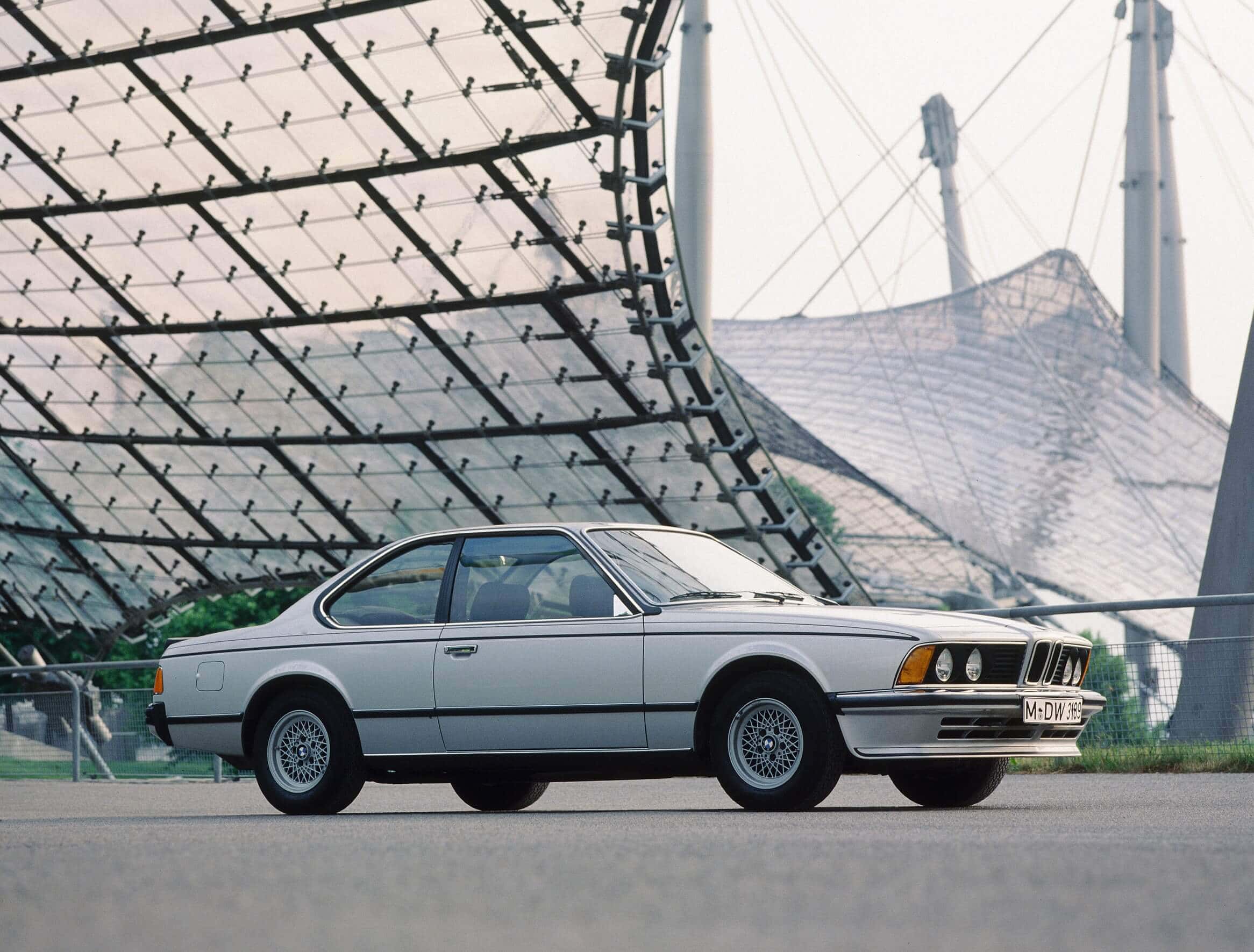
Fifty years in the past, BMW launched into a journey that may outline what a grand touring coupe needs to be. The E24 6 Sequence, launched in March 1976, wasn’t simply one other mannequin in BMW’s lineup—it turned the automotive that crystallized the model’s identification for a whole era and proved that luxurious and driving dynamics weren’t mutually unique.
A Design Born from Revolt
The E24’s story begins with a conflict of visions inside BMW’s headquarters. Following the industrial success of the E9 coupes, firm management initially proposed a conservative evolution: primarily the previous 3.0 CS raised increased to ease entry and exit. It was sensible, wise, and totally flawed.
Enter Bob Lutz, BMW’s not too long ago appointed board member for gross sales, who rejected the proposal outright. The previous Opel government and future automotive legend understood that BMW wanted one thing bolder—a automotive that may seize the sporting spirit the model was constructing its repute on. His rejection of the safer proposal finally led to the distinctive form of the E24 in its manufacturing kind.
Paul Bracq, BMW’s design director who had beforehand labored at Mercedes-Benz, penned the ultimate design. The outcome was revolutionary: a particular shark-nose front-end design that drew inspiration from the CS fashions whereas incorporating an extended wheelbase and a couple of+2 seating configuration. The aggressive, forward-thrusting grille and taut, muscular traces created an immediately recognizable silhouette that earned the nickname “Sharknose.” Not like its pillarless E9 predecessor, the E24 featured a B-pillar—a concession to evolving U.S. security rules—however the design was so well-executed that it solely enhanced the automotive’s purposeful stance.
The Longest Journey in BMW Historical past

Manufacturing commenced in October 1975 at Karmann’s Osnabruck manufacturing facility, with the automotive making its public debut on the Geneva Motor Present in March 1976. Initially supplied because the 630CS with a carbureted 3.0-liter engine and the 633CSi with gasoline injection and a bigger 3.3-liter unit, the E24 instantly established itself as BMW’s flagship coupe.
What’s exceptional is how lengthy it remained related. Manufacturing totaled 86,216 models over its 13-year run, making it one in all BMW’s longest-produced mannequin sequence on the time. This longevity wasn’t merely about BMW extending an previous design—it was testomony to how proper they received it from the beginning.
The key to this endurance lay in BMW’s willingness to evolve the platform. In 1982, the E24 received a major mid-life facelift, switching from the E12 to the E28 5 Sequence platform, enabling better elements sharing in areas comparable to suspension, brakes, and electronics. The adjustments included up to date bumpers, bigger wheels, and improved inside appointments, however the basic design remained untouched—as a result of it didn’t want altering.
The Coronary heart of the Shark: BMW’s M30 Engine

All E24 fashions save for the M635CSi/M6 had been powered by variants of BMW’s legendary M30 straight-six engine, produced between 1968 and 1994—making it the longest-lived powerplant in BMW’s historical past. This engine household would change into synonymous with BMW’s character: easy, highly effective, and totally dependable.
The E24 vary honored its E9 predecessor by persevering with the “CS” (Coupe Sport) nomenclature. The lineup started with the entry-level 630CS, that includes a longitudinally-mounted 2.8-liter unit producing 185 PS. After 1979, this was changed by the 628CSi with 184 PS, whereas increased within the vary sat the 633CSi with 200 PS and the 635CSi with 218 PS.
The 1982 Life Cycle Impulse streamlined the vary to simply two variants: the 628CSi and 635CSi. By the second LCI in 1987, as emissions rules tightened, the 635CSi obtained an influence increase to 220 PS with out catalytic converters, or 211 PS with them fitted. These had been the compromises of the period—efficiency traded for cleaner air—however even detuned, the E24 remained a compelling driver’s automotive.
The M635CSi: When Motorsport Met Luxurious
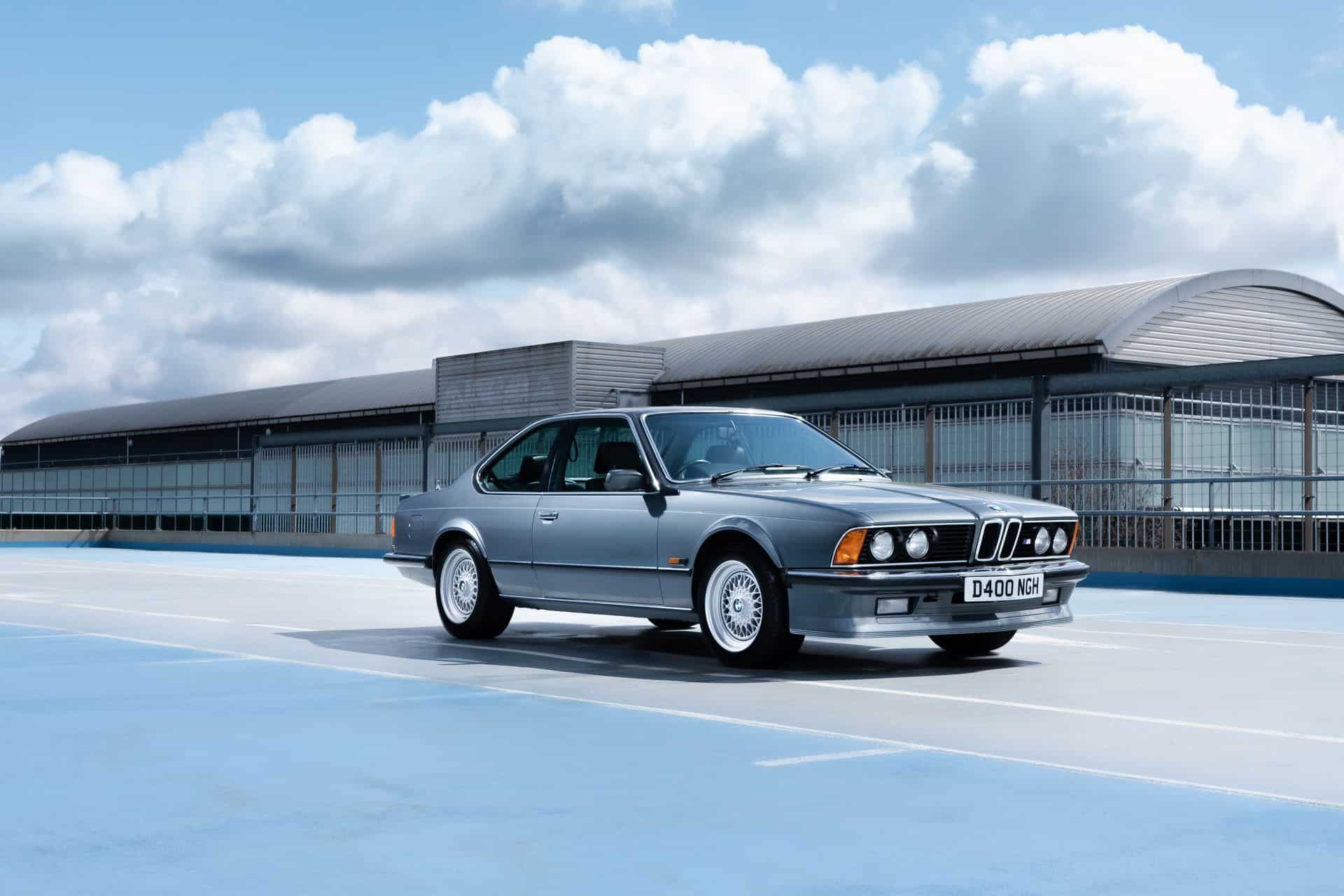
The actual story, nevertheless, begins in 1984. Launched on the Frankfurt Motor Present in September 1983, the M635CSi was BMW Motorsport’s second true “M automotive” after the legendary M1 supercar, and it introduced that supercar’s DNA to a sensible four-seater bundle.
The M88/3 engine was the star—a 3.5-liter straight-six with double overhead camshafts, 4 valves per cylinder, particular person throttle our bodies, and Bosch Motronic gasoline injection. It produced 286 PS at 6,500 rpm and 340 Nm of torque at 4,500 rpm, enabling a high velocity of 255 km/h and a 0-100 km/h dash in simply 6.4 seconds. In 1984, these had been supercar numbers in a automotive you might comfortably drive throughout continents.
However the M635CSi was extra than simply an engine transplant. BMW Motorsport comprehensively reworked the chassis with strengthened stabilizers, stiffer suspension, bigger brakes, a limited-slip differential, and a close-ratio five-speed guide transmission. The outside obtained a deeper entrance spoiler, rear spoiler, flared wheel arches, and distinctive M badges. Inside, Recaro sport seats, leather-based upholstery, and extra instrumentation together with oil temperature and voltage gauges reminded occupants this wasn’t simply one other luxurious coupe.
But remarkably, it remained civilized. Energy home windows, energy sunroof, air con, cruise management, central locking, an onboard pc, and a high-quality sound system with cassette and equalizer meant the M635CSi could possibly be each a weekend monitor weapon and a transcontinental categorical.
Market-Particular Variants: The Satan within the Particulars
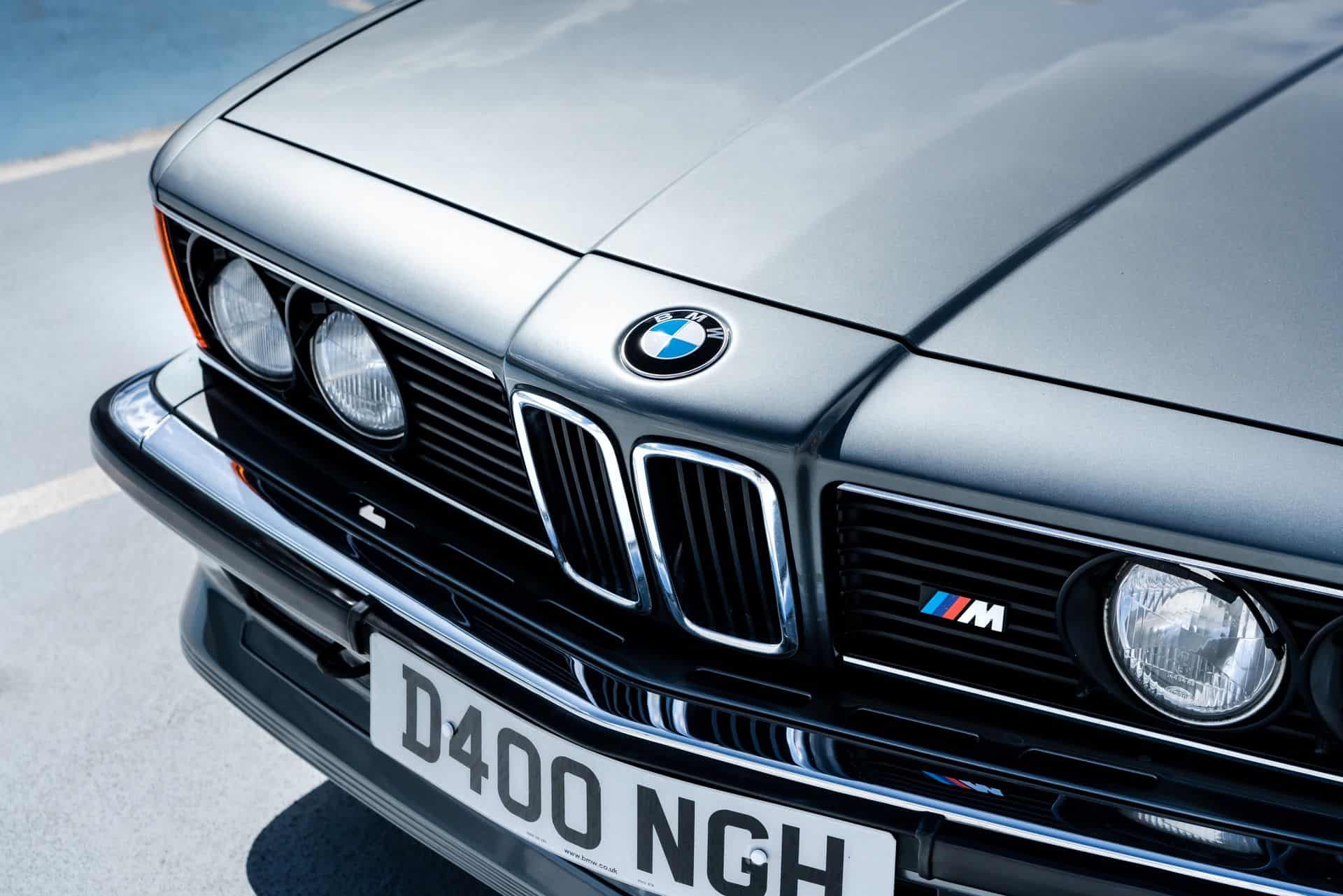
World markets obtained barely completely different interpretations of the E24’s final expression. In Japan and North America, the automotive was merely badged “M6,” however the variations went deeper than nomenclature. The North American M6 used the S38B35 engine—primarily based on the common 635CSi powerplant however modified to fulfill stricter emissions requirements with decrease compression, catalytic converters, and fewer aggressive camshafts.
The outcome was 256 PS and 243 lb-ft of torque—nonetheless spectacular, however noticeably lower than the European M88/3. The American M6 was additionally barely heavier because of extra security tools together with airbags and anti-lock brakes, leading to efficiency figures of 0-60 mph in 6.4 seconds and a 155 mph high velocity. Nonetheless speedy, however the European specification remained the purist’s selection.
The second Life Cycle Impulse in 1987 introduced additional adjustments. All engines now required catalytic converters, and the M635CSi suffered accordingly. Energy dropped from 286 PS to 260 PS, torque fell to 330 Nm, high velocity decreased to 242 km/h, and the 0-100 km/h time slowed to six.9 seconds. These had been the realities of evolving rules, however additionally they marked the start of the top for the naturally aspirated M engine’s dominance.
Racing Pedigree: Proving Floor for the Final Driving Machine

Whereas the E24 was designed as a grand tourer, it proved devastatingly efficient on race tracks all over the world. The 635CSi celebrated victories within the 1983, 1985, and 1986 24 Hours of Spa-Francorchamps and received the European Touring Automobile Championship in 1981, 1983, and 1986. The automotive additionally dominated in Australia, Germany, Japan, and New Zealand.
BMW 6 Sequence fashions received the 1984 and 1985 Nürburgring 24 Hours and scored important titles, together with Volker Strycek’s general victory on the inaugural German Manufacturing Automobile Championship—the predecessor to the DTM touring automotive sequence—in 1984. These weren’t simply participation trophies; the E24 persistently beat purpose-built competitors equipment by way of superior engineering and reliability.
The racing program served a twin goal. Whereas BMW’s 3.0 CSL had established the model’s motorsport credibility within the Nineteen Seventies, the E24 carried that torch into a brand new period, reinforcing BMW’s “Final Driving Machine” positioning at a time when the model was combating to determine itself as a official Mercedes-Benz competitor.
The M635CSi/M6 was unique by design. Solely 5,855 models had been produced worldwide between 1983 and 1989, with 1,767 destined for North America and 524 in-built right-hand drive for the UK. At round $60,000 within the US and £37,000 within the UK, it was costly—however those that skilled it agreed it was price each penny.

Immediately, these numbers work in collectors’ favor. Properly-preserved examples command premium costs, notably early Karmann-built automobiles from earlier than August 1977, that are exceptionally uncommon. Authentic colours like Phoenix orange, Mint inexperienced, and notably Golf yellow have change into extremely wanted, as have European-specification M635CSi fashions with the full-power M88/3 engine.
What the E24 Meant for BMW
The E24 6 Sequence arrived at a pivotal second in BMW’s historical past. Beneath chairman Eberhard von Kuenheim, the corporate was trying to maneuver upmarket, difficult Mercedes-Benz’s dominance of the premium phase. The E24 was essential to this technique—it needed to show that BMW may construct automobiles that had been each luxurious and sporting, refined but partaking.
It succeeded brilliantly. The E24 turned the automotive that outlined BMW’s character for many years to return. It confirmed {that a} luxurious coupe didn’t need to wallow like a Mercedes SLC or endure from questionable construct high quality like up to date Jaguars. It could possibly be stunning, comfy, dependable, and genuinely thrilling to drive.
The E24’s affect extends far past its manufacturing years. Each 6 Sequence that adopted—the E63/E64, F12/F13, and current G32—owes its existence to the template established by the unique. The concept of a big, luxurious coupe that prioritizes driver engagement over pure consolation started right here.
[Photos: BMW Group and BMW UK]
Trending Merchandise

Hiseanllo Car Seat Gap Filler 2 Pack, Univers...
Mandark 4PCS Car Cup Holder Coasters, 2.75 In...